
Why Belonging Still Matters: Closing the Gaps in the New National Pupil Experience Data

by Gabrielle Hamill, Director of Impact & Strategy
The latest national data on pupil experience offers some welcome news. After several turbulent years, more young people say they feel they belong in school, feel safe and enjoy being there, with belonging rising 12 percentage points to 69 percent. Despite this progress, not all young people are benefiting equally. The data is clear: girls, pupils on free school meals, pupils with SEND and those in Key Stage 4 feel a much weaker sense of belonging. And while trusted relationships are key to belonging, 43 percent of pupils still do not report having an adult in school who really cares about them.
At Football Beyond Borders, we welcome the improvement in belonging, but we are committed to closing this gap so that every young person, especially those facing the biggest barriers, feels seen, supported and able to thrive.
Why does belonging matter? Belonging is one of the strongest protective factors in a young person’s life. It reflects whether pupils feel accepted, respected, included and supported (Goodenow, 1993) and is recognised as a fundamental human need (Baumeister & Leary, 1995). Research shows it drives attendance, engagement and learning (Libbey, 2004; Beck & Malley, 1998) and protects against bullying and exclusion (Resnick et al., 1997). Higher belonging in adolescence even predicts better mental health in adulthood (Arslan, 2024).
When belonging rises, almost every meaningful outcome rises with it. That is why these new DfE figures are partly encouraging.

What drives belonging? The evidence is clear. Belonging is built through relationships. The student–teacher relationship is the strongest predictor of whether a young person feels they belong (Allen & Slaten, 2021). Positive relationships with teachers and peers reliably increase belonging (Hughes et al., 2008; McMahon et al., 2020). When adults help pupils feel seen, heard and valued, the impact is profound.
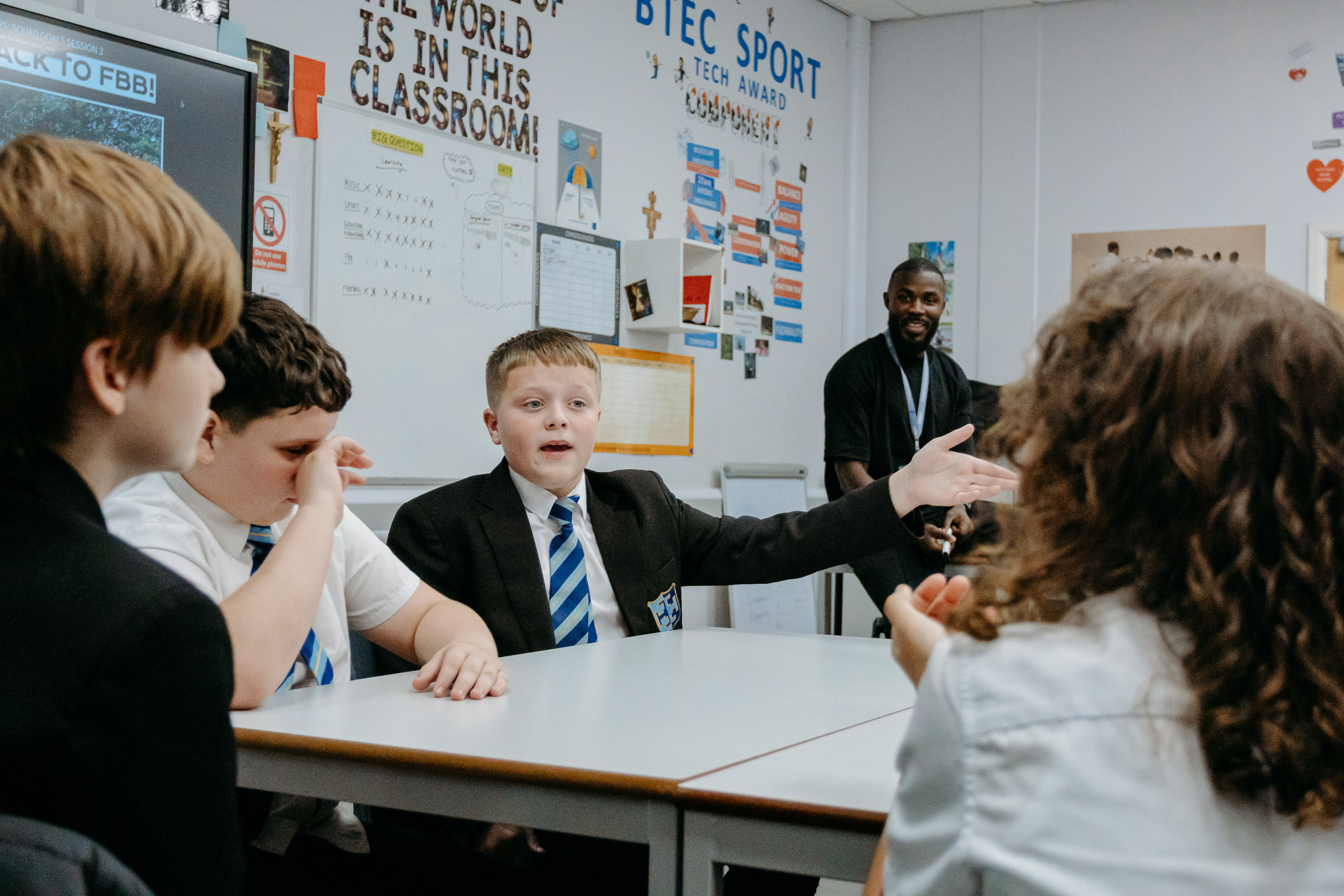
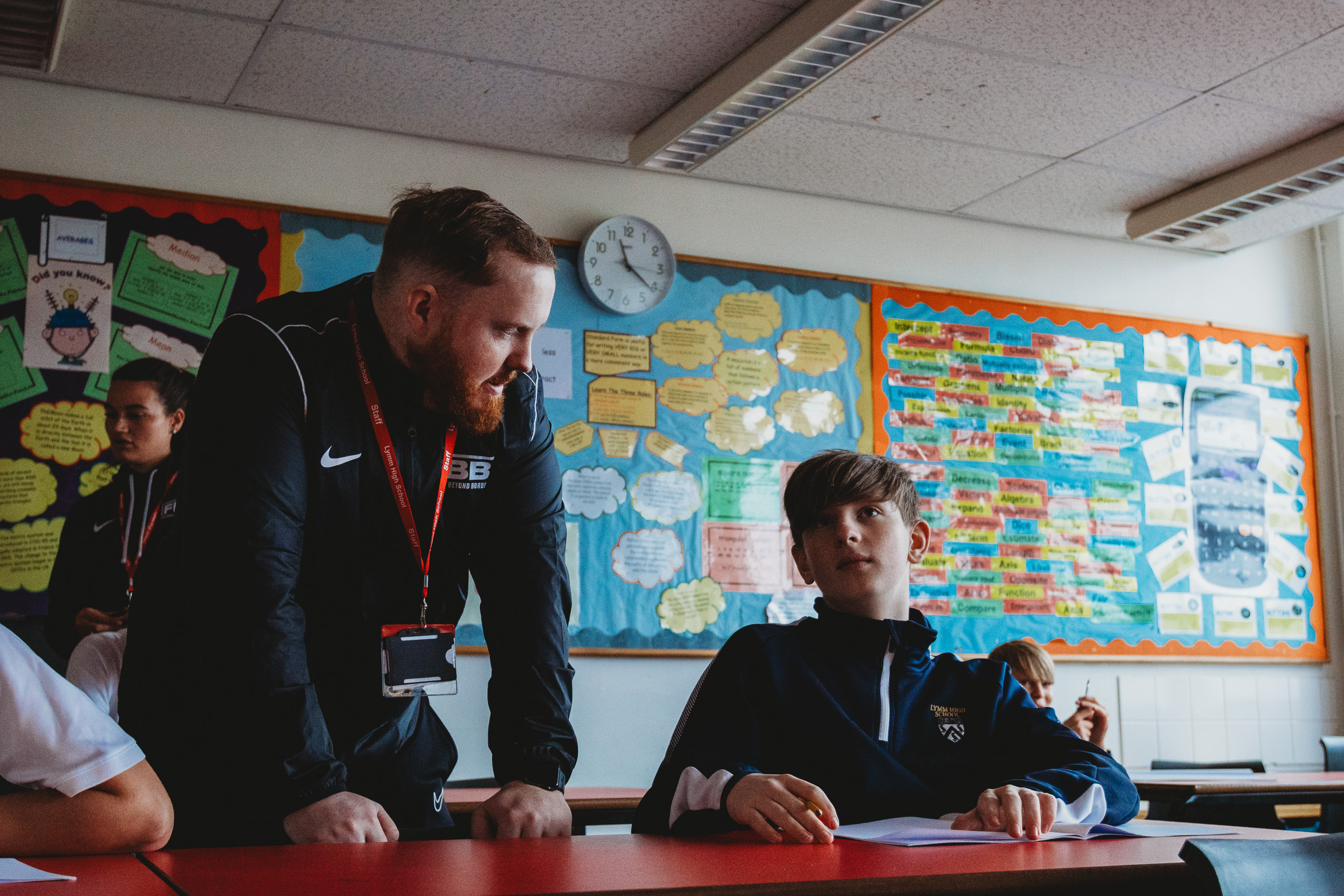
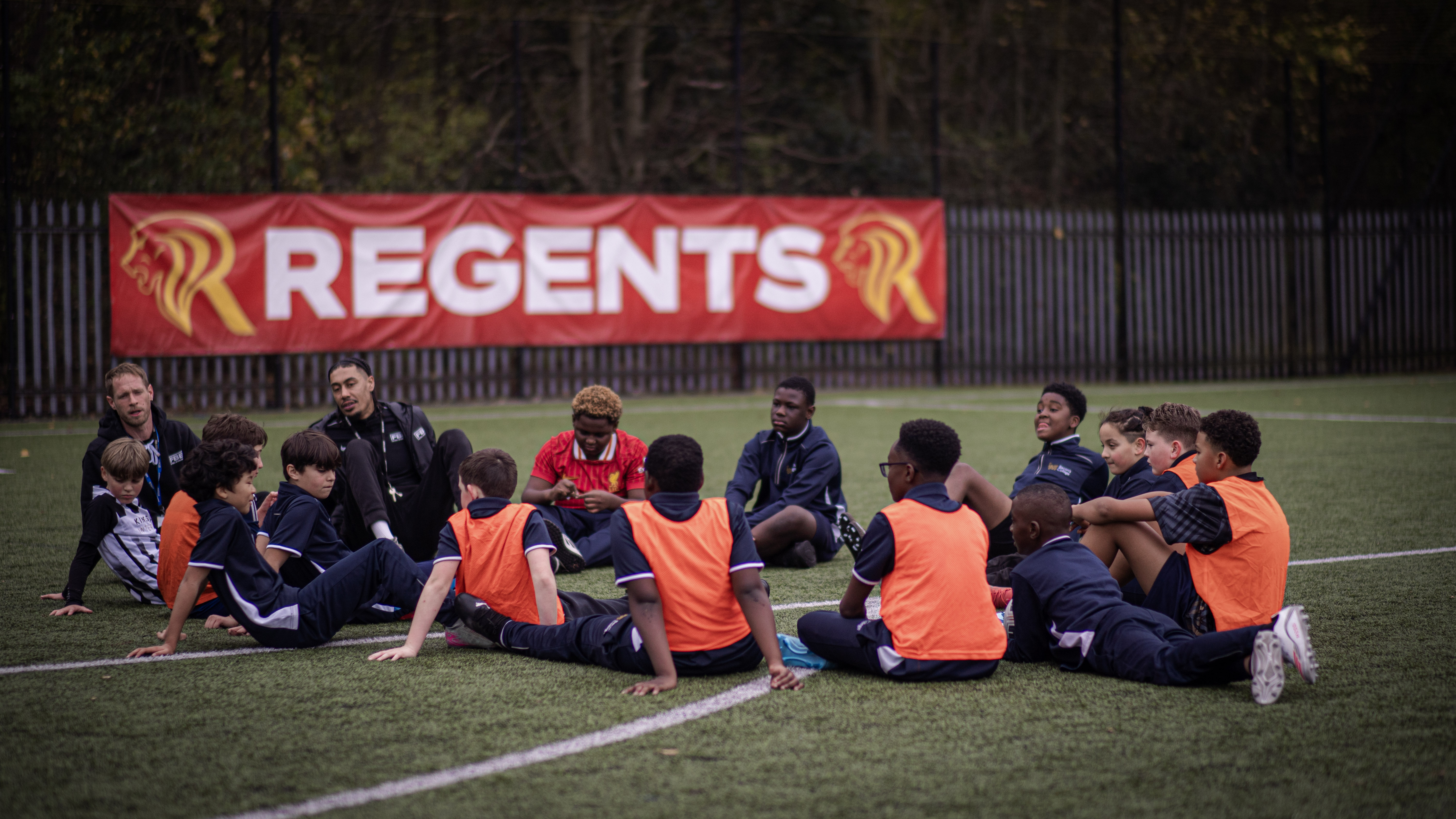
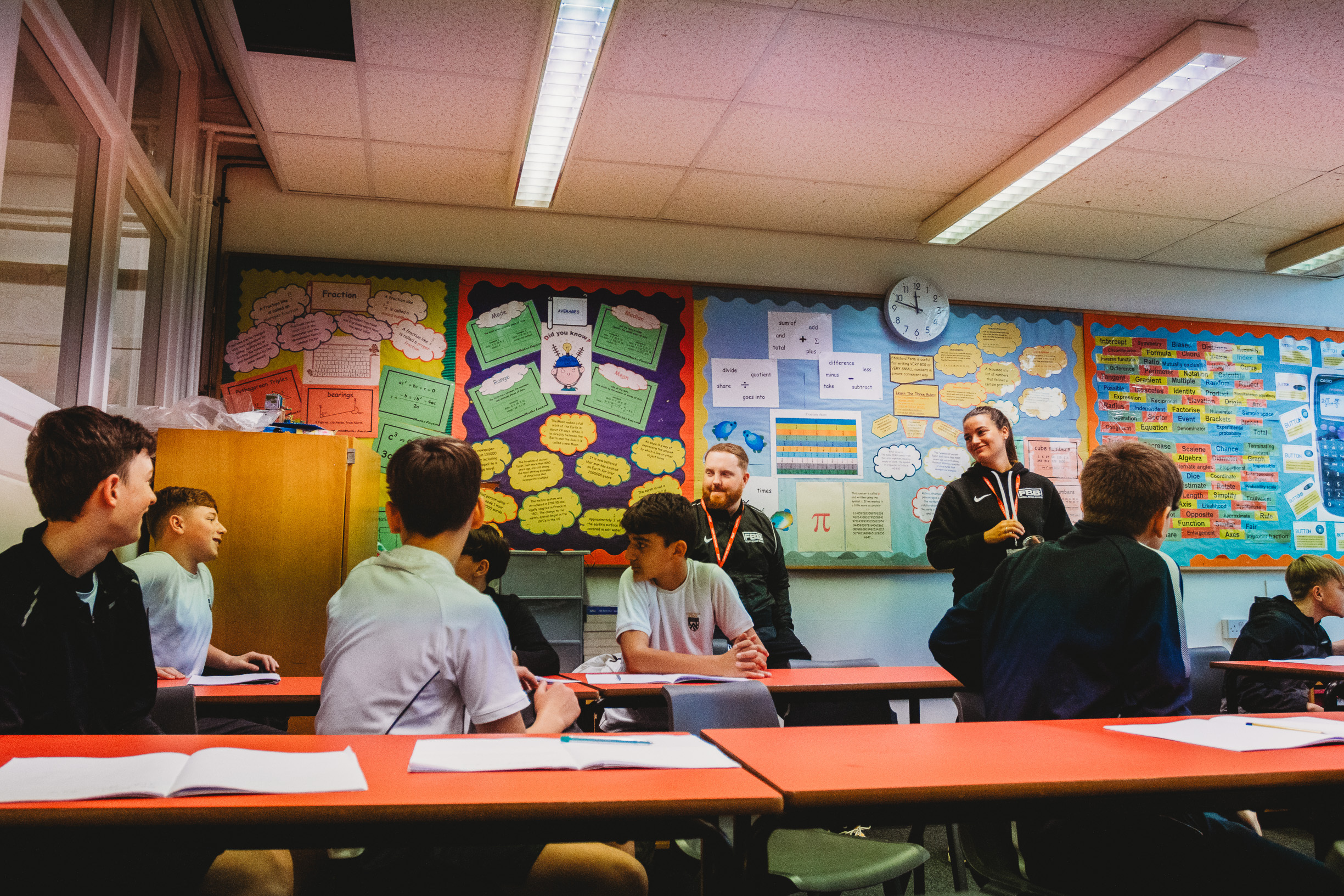
We see this every day at Football Beyond Borders. Relationships sit at the heart of our work: the trusted bonds our practitioners build with young people, the peer communities that form within FBB groups and the relationships young people develop with adults in school. Through our Trusted Adult Guarantee, we are working towards every young person having a trusted adult.
These ideas come to life most clearly in young people’s own words. When we surveyed 1,472 participants this summer and asked who they trust and why, they told us:
- My trusted adults are: my Head of Year, my FBB practitioners because "They have good qualities like my head of year is kind and understanding. Same with FBB members. They can understand my situation.”
- My trusted adults are: my FBB practitioner, my community sports coach, and a family friend, because "They’ve shown me to never give up and I can see myself making it to the future now."
- My trusted adults are: my Head of Year, another staff member in school, my FBB practitioner, a family friend, because: "They know me. They get along with me. I trust them. They listen to me."
Three different young people. One clear message: belonging grows when a young person feels understood, safe and believed in.
Why some young people still struggle to belong: Despite the national improvements, not all young people are benefiting equally. As the DfE highlights, “there are significant differences in feelings of belonging in school with female pupils, pupils eligible for free school meals, pupils identified with SEND and pupils in Key Stage 4 all reporting lower levels of school belonging.”
The Pupil Experience survey is sadly not revealing anything new. These gaps are well known to schools, families and young people themselves.
Pupils with SEND show the largest belonging gap. Many describe school as overwhelming or inflexible. NurtureUK has highlighted a sharp rise in social, emotional and mental health needs in recent years, widening the gap between academic expectations and pupils’ emotional readiness to learn. When needs are misunderstood or pastoral support is inconsistent, belonging quickly collapses.
Pupils from disadvantaged backgrounds are twice as likely not to feel part of school (Sutton Trust, 2020). Uniform costs, travel, equipment and other hidden pressures quietly chip away at their sense of inclusion, as do feelings of stigma or unfairness.
Girls often report lower belonging during adolescence. Identity pressures, peer dynamics and a need for emotional safety play a significant role, and without strong relationships and affirmation it becomes harder for girls to feel they fully belong in their school community.
Key Stage 4 pupils also report lower belonging, just as academic pressure intensifies. Pastoral contact often reduces at exactly the moment their emotional load grows. Parents reflect this pattern too, with far lower enjoyment and safety reported for secondary pupils compared with primary.
Creating schools where everyone can belong. Different young people need different conditions to thrive. For a pupil on Free School Meals, this might mean removing hidden costs and ensuring equal access to opportunities. For a young person with SEND, it might mean predictable routines, calm spaces and staff who understand their needs. For a girl navigating identity pressures, it might mean relational safety and the freedom to be herself. For a pupil in Key Stage 4, it might mean stable pastoral support, adults who understand the emotional load of high-stakes exams and more protected spaces for connection at a time when pressure is at its highest.
Across all groups, one element binds these conditions together: trusted adults and a relational school culture. When schools centre relationships, developmental understanding and partnership with families, belonging rises for pupils and staff alike.
What FBB is doing to drive belonging: Our survey of more than 1,400 young people mirrors the national picture. The pupils least likely to feel they belong are the same pupils most at risk of exclusion, poor attendance and low wellbeing. Yet when these young people have access to trusted adults and inclusive environments, we consistently see improvements in behaviour, engagement and emotional wellbeing.
In the year ahead, we will deepen our work with schools by focusing on three priorities:
- Strengthening trusted adult provision across whole schools: We are supporting schools to build cultures where every young person has at least one adult who knows them, understands their needs and believes in their potential. This is central to our Trusted Adult Guarantee and underpins our BELONG framework.
- Equipping staff with the skills to build developmental, relational practice: We will continue to train and support pastoral staff, teachers, coaches and wider school teams in the relational skills that make the biggest difference, especially for boys and young people facing multiple barriers.
- Embedding pupil voice and belonging data into decision-making: We will help schools use pupil surveys and qualitative insights to understand who is not feeling part of school and why, and to design targeted interventions that improve belonging for SEND pupils, disadvantaged pupils, girls and learners in Key Stage 4.
Belonging is rising, but until it rises for the groups who need it most, our collective work is not finished.

Help us improving young people's lives
By making a donation to FBB, you'll be supporting the essential work we do with thousands of young people across the UK each year.


